

The Japanese Guide to Longevity & Nutrition
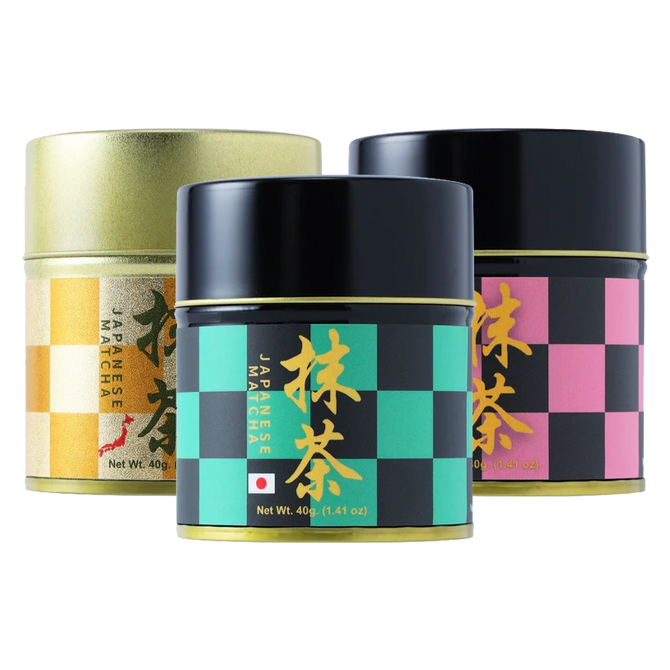
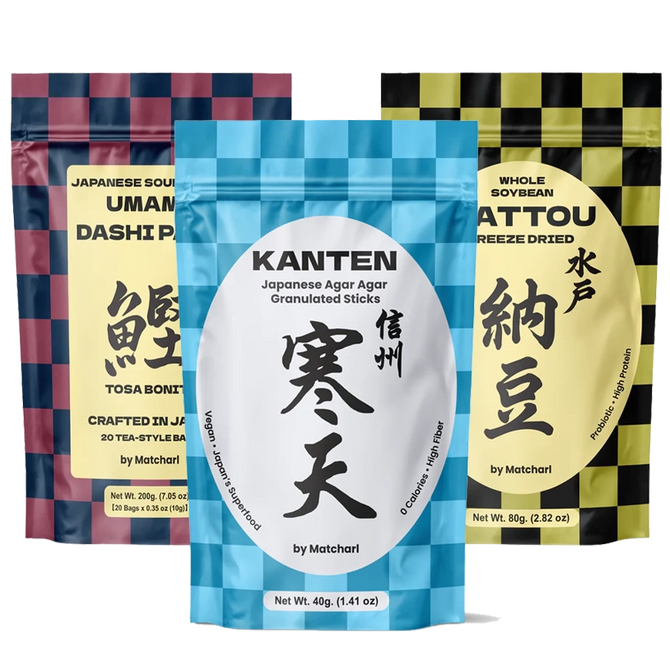
Our blog is a curated resource designed to bridge the gap between ancient Japanese traditions and modern human performance. Here, we go beyond the label to explore the Art of Tenei, detailing everything from the nuances of First Flush Matcha to the gut-health benefits of fermented Natto. Whether you’re looking to master the perfect matcha whisking technique, understand the science of stone-milling, or learn how to integrate single-ingredient staples into a longevity-focused diet, our articles provide the knowledge you need to nourish from soil to soul.
Dashi
![[Part 7] Why Dashi Packs Exist: Tradition Made Practical](http://matcharl.com/cdn/shop/articles/DASHI_front_0300d8ba-a9e7-4d26-8965-e75eb3dc687f.png?crop=center&height=20&v=1770869807&width=20)
[Part 7] Why Dashi Packs Exist: Tradition Made Practical
Dashi Was Never About Convenience Alone When people see dashi packs, they sometimes assume they exist simply for convenience. But historically, dashi was never about saving time. It was about...
![[Part 6] Beyond MSG: Adding Flavor vs. Drawing It Out](http://matcharl.com/cdn/shop/articles/DASHI_front_725abbff-a49b-4550-be41-52fcd6d4691e.png?crop=center&height=20&v=1770869693&width=20)
[Part 6] Beyond MSG: Adding Flavor vs. Drawing It Out
MSG Is Not the Enemy When people talk about umami, the conversation often turns to MSG. Let’s be clear from the start: MSG itself is not the enemy. It is...
![[Part 5] The Roots of Japanese Dashi: Katsuobushi and the History of Flavor](http://matcharl.com/cdn/shop/articles/DASHI_front_ee69f962-96d7-460b-913f-440332d53572.png?crop=center&height=20&v=1770869784&width=20)
[Part 5] The Roots of Japanese Dashi: Katsuobushi and the History of Flavor
Katsuobushi: The Heart of Japanese Aroma and Umami When talking about Japanese flavor and aroma, one ingredient cannot be overlooked: katsuobushi (dried bonito). Katsuobushi is not just a seasoning. It...
Kanten

Easy Kanten (Agar) Jelly Recipe: Coffee Jelly, Hojicha Jelly, and Lemon Jelly
Easy Kanten (Agar) Jelly Recipes: Basic, Coffee, Hojicha, and Lemon These recipes are designed to be fail-proof. The key technique is always the same: whisk agar into cold liquid, bring...

Why Your Agar (Kanten) Won’t Set: Fail-Proof Method + Ratios + Acid Fix (Lemon)
Why Your Agar (Kanten) Won’t Set: Fail-Proof Method + Ratios + Acid Fix (Lemon) If your agar didn’t set, don’t worry—this is usually fixable. In most cases, the problem is...

Agar vs Kanten: Are They the Same? Production Method and Texture Differences URL Handle idea
Agar vs Kanten: Are They the Same? Production Method and Texture Differences Short answer: In English, “agar” is often the umbrella term, and kanten is commonly treated as agar. In...
Matcha
![[Part 5] First Flush vs. Second Flush: How Harvest Timing Changes Matcha](http://matcharl.com/cdn/shop/articles/IMG_2758_9900007c-d403-4b06-ab34-ab7b82cec8cc.jpg?crop=center&height=20&v=1770869952&width=20)
[Part 5] First Flush vs. Second Flush: How Harvest Timing Changes Matcha
First flush and second flush matcha differ significantly in flavor, aroma, and value.This article explains how harvest timing shapes matcha quality and how to choose the right type for your...
![[Part 4] How Matcha Is Made: From Field to Bowl](http://matcharl.com/cdn/shop/articles/IMG_0089.jpg?crop=center&height=20&v=1770869968&width=20)
[Part 4] How Matcha Is Made: From Field to Bowl
How is matcha made?This article explains the complete matcha production process, from shaded tea cultivation and tencha processing to stone milling and preparation.
![[Part 3] Why Stone Milling Matters for Matcha Quality](http://matcharl.com/cdn/shop/articles/Matcha_Powder_-_TARO.jpg?crop=center&height=20&v=1770869895&width=20)
[Part 3] Why Stone Milling Matters for Matcha Quality
Stone milling plays a critical role in matcha quality.This article explains why traditional stone milling is still used today, how it affects texture and aroma, and what happens when matcha...
Natto

Decoding Nattokinase & Bacillus Subtilis: The Deep Science Behind Japan's Ultimate Gut-Heart Biohack
In the biohacking and functional medicine communities, the quest for optimal blood flow and gut microbiome diversity is unceasing. We monitor our heart rate variability (HRV), track our gut sequencing,...

The "Calcium Paradox": Why Your Plant-Based Diet Needs This Invisible Japanese Longevity Superfood
We are constantly told to consume more calcium for strong bones. We load up on leafy greens, tofu, and fortified plant milks. Yet, a silent issue plagues the modern wellness...
Woodear Mushroom

Beyond Chaga and Reishi: Why This Flavorless Japanese Mushroom is the Ultimate Biohack for Gut Health and Vitamin D
The global obsession with functional mushrooms is undeniable. From adaptogenic coffees to immunity-boosting capsules, fungi like Chaga, Lion's Mane, and Reishi have completely taken over the wellness landscape. But there...
Yuzu

The Missing Acid: Why Top Chefs and Mixologists Are Replacing Lime with Authentic Japanese Yuzu
When we think of adding brightness to a dish or a drink, our minds automatically default to the usual suspects: lemons and limes. They are reliable, predictable, and everywhere. But...