

DASHI - Tosa Style Soup Stock Pack
Pure Japanese Umami, Made for Everyday Cooking
Dashi is the foundation of Japanese cuisine—quiet, subtle, yet essential. It brings balance, depth, and harmony without overpowering ingredients.
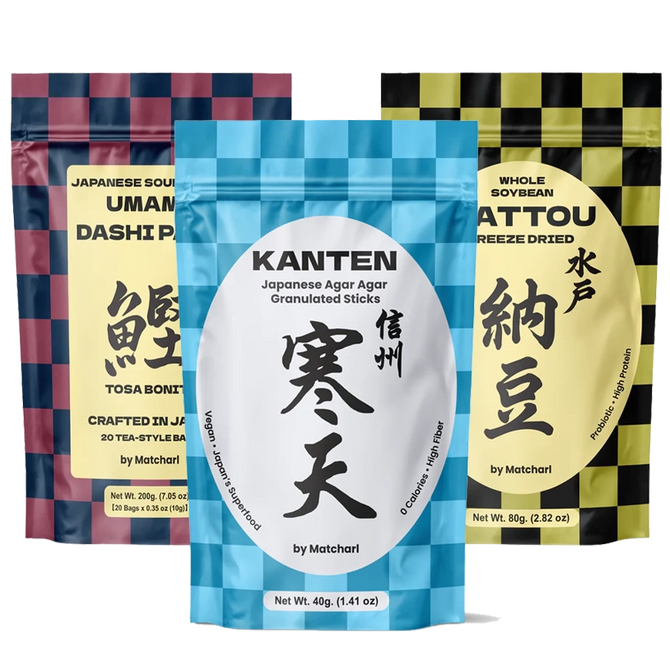
Matcharl’s Tosa-style dashi is crafted in Japan using carefully selected bonito flakes, mackerel, sardines, and kelp, blended to create clean, rounded umami.
Packed in convenient tea-style bags, this dashi is easy to use and delivers consistent flavor every time. No MSG. No preservatives. Just honest ingredients and tradition.
Key Features
- Made in Japan
- Tosa-style blended dashi
- Bonito, mackerel, sardines & kelp
- No MSG or artificial additives
- Tea bag format for easy use
- Clean, balanced umami
How to Use
- Add one dashi bag to hot water
- Simmer for 5–10 minutes
- Remove the bag and enjoy
Perfect for:
- Miso soup
- Udon, soba, ramen
- Hot pots and simmered dishes
- Cold dashi for light, seasonal dishes
Ingredients
Bonito flakes, mackerel flakes, sardine flakes, kelp
Why Matcharl Dashi
This is dashi as it should be—subtle, refined, and essential. Designed for everyday cooking, crafted with respect for Japanese tradition.
products.product.pickup_availability.unavailable
FREE SHIPPING FOR ORDERS ABOVE $50
3-5 day standard shipping within the US.
PRODUCT FEATURES

Authentic Japanese Dashi
Crafted in Japan using traditional ingredients and methods refined over generations.
Balanced Umami Profile
A carefully blended combination of bonito, mackerel, sardines, and kelp delivers clean, rounded umami without harshness.
No MSG, No Additives
Free from artificial seasonings or preservatives — only honest, natural ingredients.
Tea-Bag Format
Simple and consistent. Designed for everyday use in home kitchens and professional settings.

Why Dashi?
Dashi is the foundation of Japanese cooking,
yet it is rarely noticed.
It does not dominate flavor.
It connects ingredients.
For centuries, dashi has been prepared daily —
quietly shaping meals, seasons, and routines.
At Matcharl, we choose dashi because it represents what we value most:
ingredients that support rather than stand out,
tradition without excess,
and functionality rooted in simplicity.
Dashi is not a trend.
It is a constant.
That is why it belongs in our Essentials collection.
FIND YOUR BEST MATCH DASHI
Whether you are discovering Japanese cooking for the first time or looking for a reliable, everyday soup stock, our Tosa-style Dashi offers a clean and balanced way to experience authentic Japanese umami. Carefully crafted in Japan using traditional ingredients, it is designed for simplicity, consistency, and versatility in modern kitchens.
Frequently Asked Questions
What is Dashi?
Dashi is a traditional Japanese soup stock and the foundation of Japanese cuisine.
It provides depth and balance through natural umami rather than strong seasoning.
What makes this Dashi different?
Matcharl’s dashi is aTosa-style blendmade in Japan using bonito flakes, mackerel, sardines, and kelp.
It is designed to be clean, balanced, and easy to use for everyday cooking — without MSG or additives.
Is this Dashi beginner-friendly?
Yes.
The tea-bag format makes it simple and consistent, even if you are new to Japanese cooking. Just steep, remove, and use.
Does it contain MSG or artificial seasonings?
No.
This dashi containsno MSG, no preservatives, and no artificial additives— only natural ingredients.
How do I use Dashi?
Dashi can be used for:
- Miso soup
- Udon, soba, and ramen
- Hot pots and simmered dishes
- Cold dashi for light, seasonal recipes
Simply simmer one bag in water, then remove before use.
Can I use this Dashi for non-japanese dishes?
Absolutely.
Its clean umami works well in sauces, grains, vegetables, and soups beyond Japanese cuisine.
Is this product vegan?
No.
This dashi contains fish ingredients (bonito, mackerel, sardines).
It is not suitable for vegan diets.
Where is this Dashi made?
This product ismade in Japan, using traditional ingredients and production methods.
How should Dashi pack be stored?
Store in a cool, dry place away from moisture and direct sunlight.
After opening, close the package tightly and consume as soon as possible to maintain quality.
Regarding Import Duties, Taxes, and Customs Fees
Please note: Import duties, taxes, and customs fees may apply and are the responsibility of the customer. These charges are not included in the item price or shipping cost.

More about our Dashi
![[Part 1] Food Is About Making People Better: The Role of Dashi and the Basics of Taste](http://matcharl.com/cdn/shop/articles/DASHI_front_315fe40e-d522-4b8d-8c7b-58ab94efeee0.png?crop=center&height=12&v=1770869841&width=20)
[Part 1] Food Is About Making People Better: The Role of Dashi and the Basics of Taste
Introduction: Food Is About Making People Better In Japanese, the character for “food” can be interpreted as meaning “to make people better.” This is not just a play on words,...